Copyright © 2013 Fair & Organic. All Rights Reserved
FAIR TRADE
 FINE an informal association of four international fair trade networks (Fairtrade
Labelling Organizations International, World Fair Trade Organization (WFTO), Network
of European Worldshops and European Fair Trade Association (EFTA)) defines Fair trade
as: a trading partnership, based on dialogue, transparency, and respect, that seeks
greater equity in international trade. It contributes to sustainable development
by offering better trading conditions to, and securing the rights of, marginalized
producers and workers.
FINE an informal association of four international fair trade networks (Fairtrade
Labelling Organizations International, World Fair Trade Organization (WFTO), Network
of European Worldshops and European Fair Trade Association (EFTA)) defines Fair trade
as: a trading partnership, based on dialogue, transparency, and respect, that seeks
greater equity in international trade. It contributes to sustainable development
by offering better trading conditions to, and securing the rights of, marginalized
producers and workers.
F&O not only guarantees fair prices, but also provides its customer options of ethical purchasing. This includes; adherence to ILO conventions such as guaranteeing a safe workplace and the right to unionise, banning child labour, and adherence to the UN charter of human rights, a fair price that covers the cost of production and facilitates social development, and protection and conservation of the environment.
As textile is not a simple commodity and to be traded fairly, there is a need to regulate its cultivation, storage, dyeing, stitching, and all the other step in the process.
F&O also tries to promote long-
ORGANIC COTTON
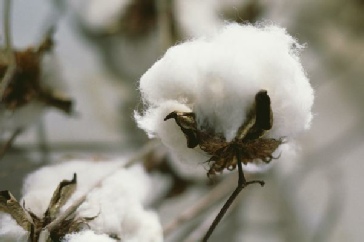 F&O apparels are primarily made from fair trade cotton Farmers are being educated
on the long term environmental, social and economic benefits of organic farming.
Their minimum support price is taken care of to ensure that they do not deviate from
cultivating organically, as this is very important to build mutual trust and benefit
over a period of time.
F&O apparels are primarily made from fair trade cotton Farmers are being educated
on the long term environmental, social and economic benefits of organic farming.
Their minimum support price is taken care of to ensure that they do not deviate from
cultivating organically, as this is very important to build mutual trust and benefit
over a period of time.
On visits to Europe we met various entrepreneurs and saw multiple stores selling fair and/or organic clothing. It is time that people all around the world start to care for what they wear!
We would like to contribute to the fair and organic movement by offering consumers an alternative to the mass production of clothes under Sweatshop conditions in factories that are often unsafe for workers.
WORKING CONDITIONS
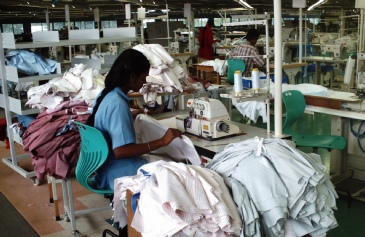 We believe that farmers who grow the cotton for our fabrics and workers who stitch
these fabrics to garment are entitled to a living wage. A living wage is a wage that
enables them and their dependants to cover their basic needs which include food and
water, housing and energy, clothing, health care, transportation, education and childcare
and allows them to have some discretionary savings. A living wage is not the end
of the bar but a flexible figure that needs to be calculated taking into account
yearly inflation, and fluctuations in the price of food and other commodities.
We believe that farmers who grow the cotton for our fabrics and workers who stitch
these fabrics to garment are entitled to a living wage. A living wage is a wage that
enables them and their dependants to cover their basic needs which include food and
water, housing and energy, clothing, health care, transportation, education and childcare
and allows them to have some discretionary savings. A living wage is not the end
of the bar but a flexible figure that needs to be calculated taking into account
yearly inflation, and fluctuations in the price of food and other commodities.
There have been several attempts to calculate a living wage, for example by the Fair Wear Foundation’s Wage ladder or the Asia Floor Wage Campaign and Action Aid’s Eight Steps towards a living wage.
A living wage is crucial since most workers in garment manufacturing countries receive only the statutory minimum wage which is most often insufficient to cover their basic needs.
Wages alone are not enough workers should also be free from any kind of harassment at their workplace, free to organise themselves and bargain collectively, not be forced to do overtime work or work beyond 8 hours a day. Their workplace should be safe and clean.